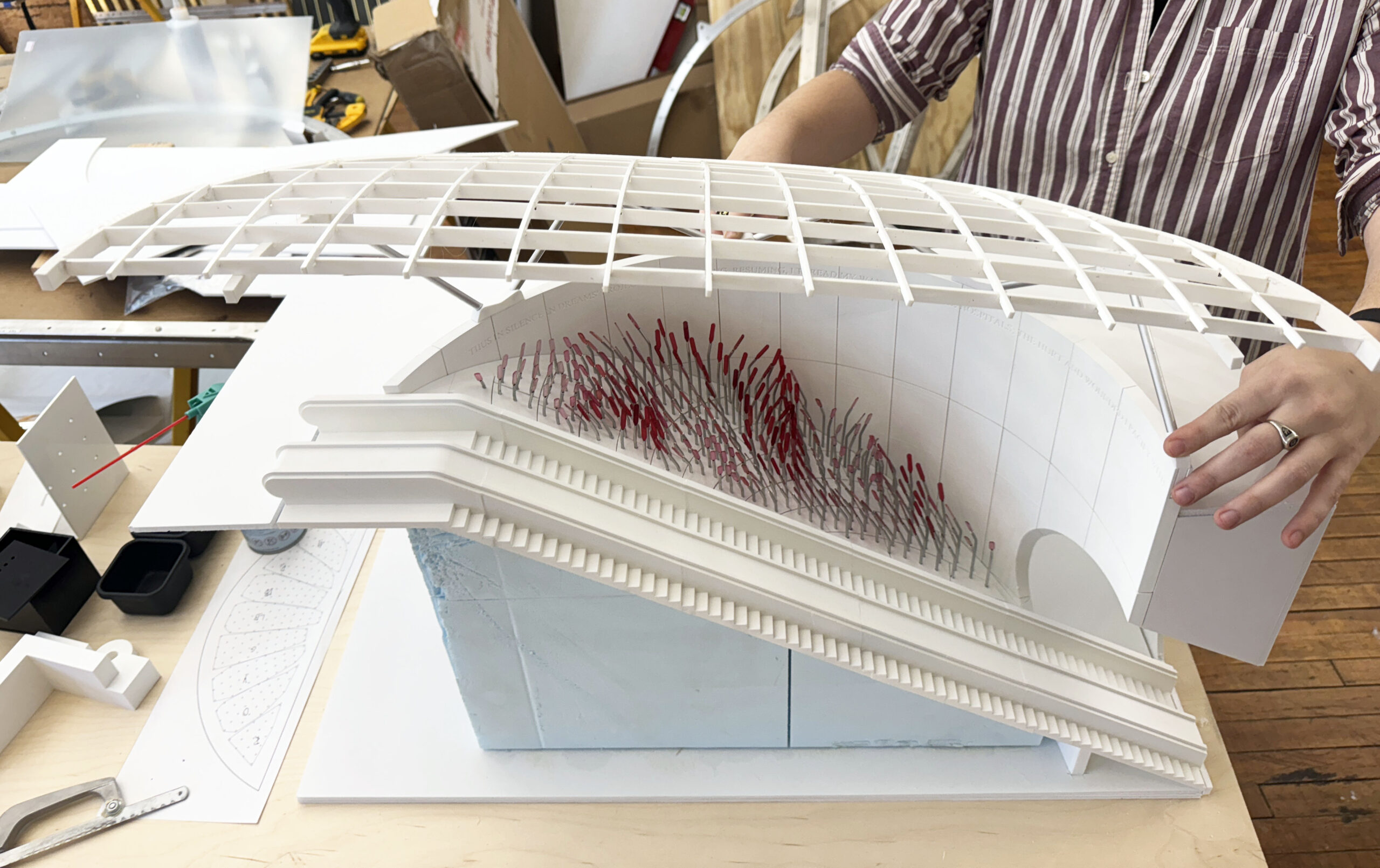
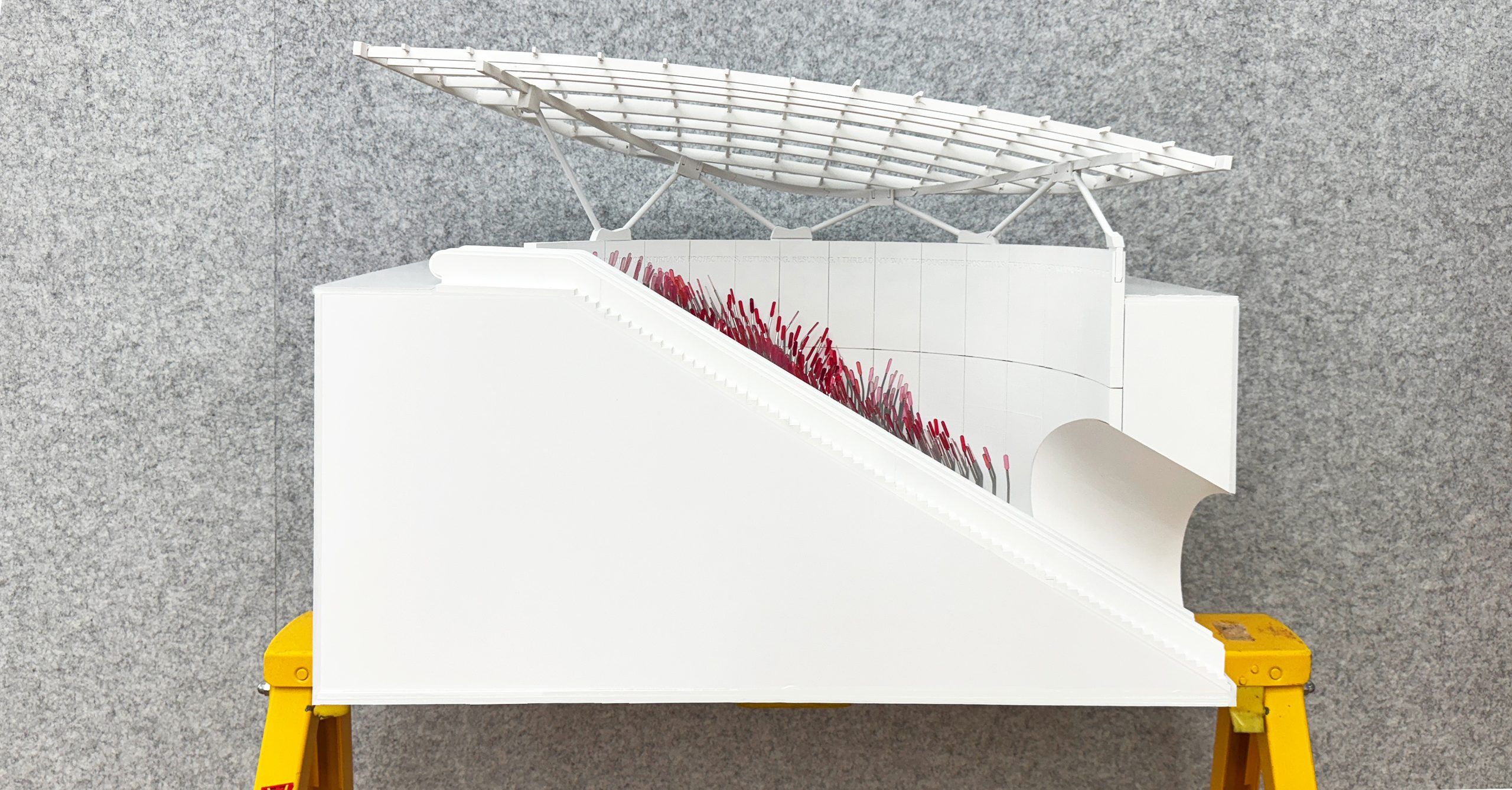
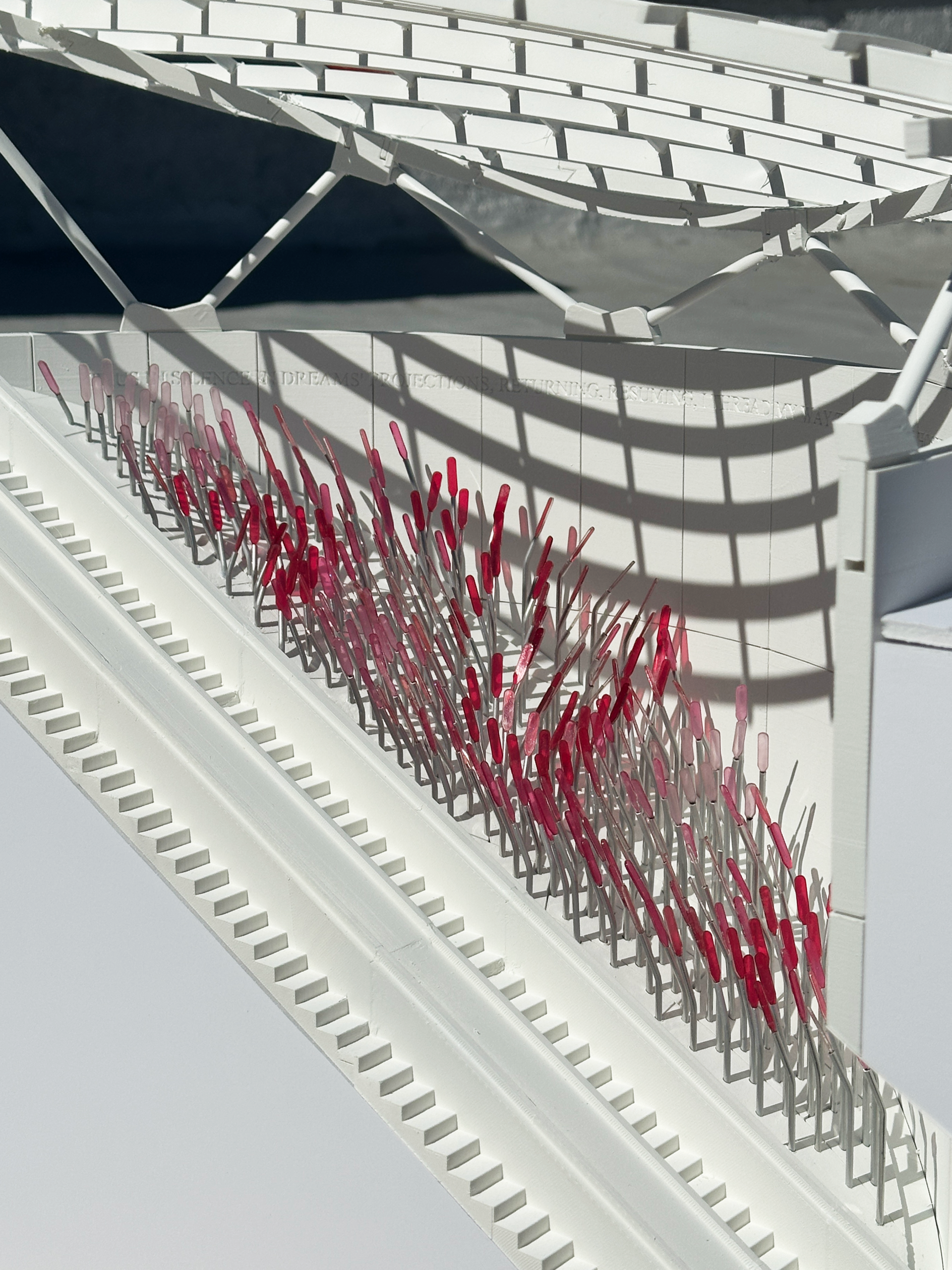
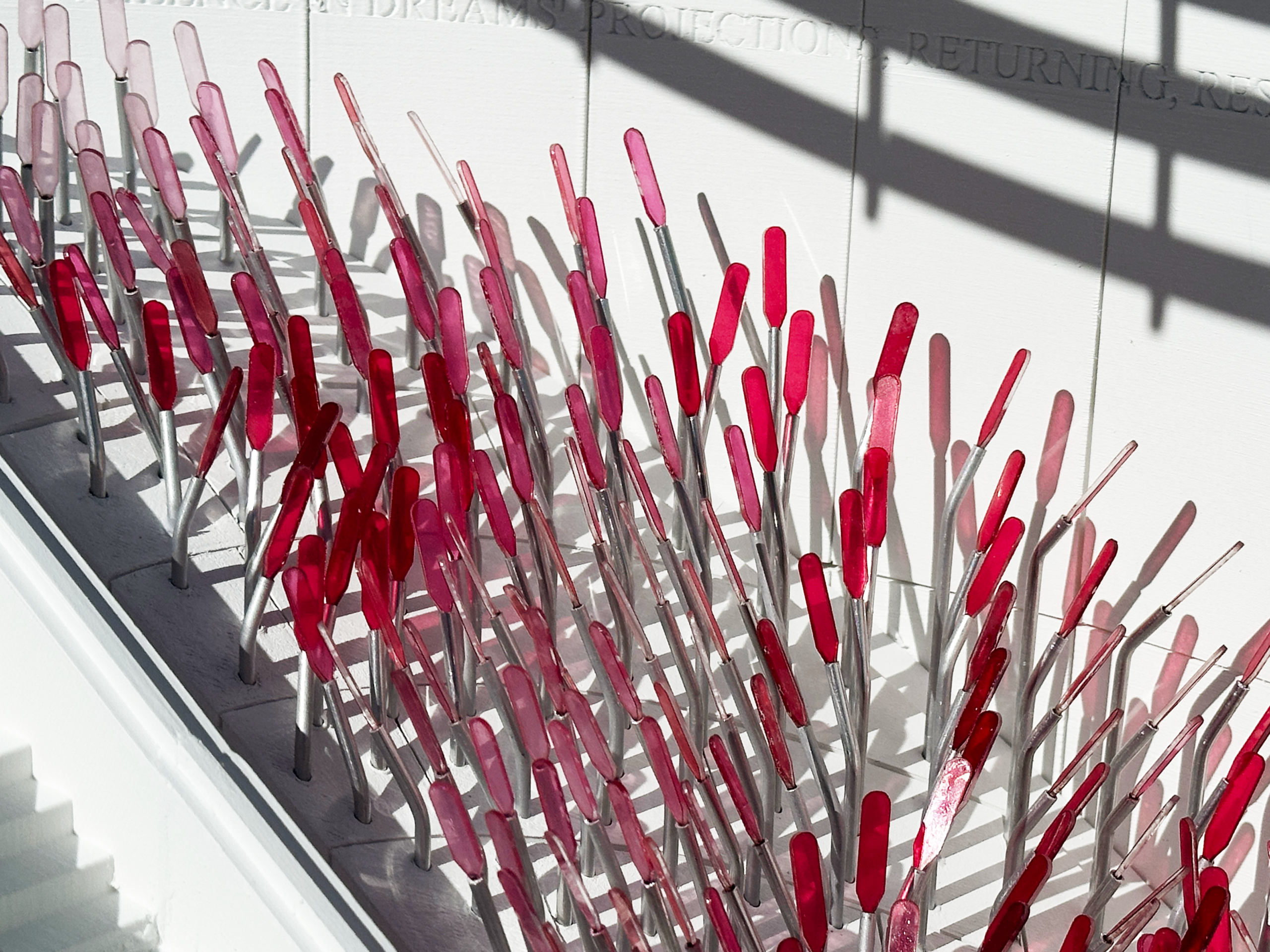
For our winning public art proposal for the north entrance of the Dupont Circle Metro station in Washington, DC, we developed a physical section model to illustrate how the installation interacts with the station’s distinctive architecture. The installation consists of an array of elements supported by tubes extending from the sloped surface alongside the escalators. Their arrangement creates a flowing pattern that suggests wind moving through the space. The section model captures the relationship between the installation, the existing architecture, and the changing perspectives of passengers as they move through the station.
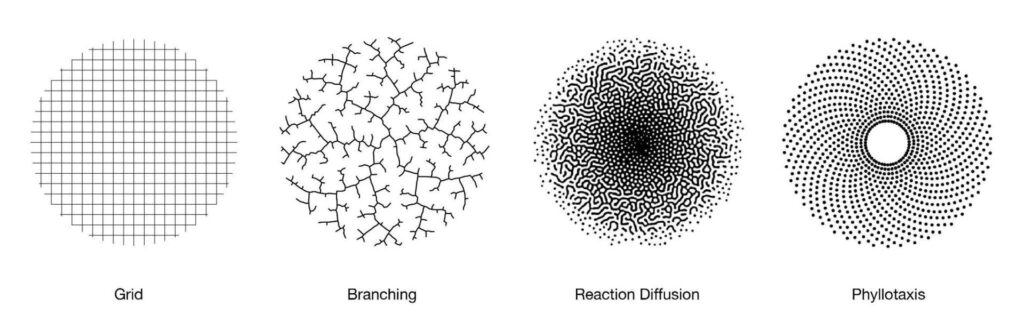
Natural Growth Patterns We studied how natural systems generate complex patterns through relatively simple rules, looking at examples of organic growth, morphology, and camouflage. Although these patterns are often highly geometric and organized, they produce the irregularity, variation, and playful complexity we associate with nature. These studies informed our approach to developing a distribution system for the installation that balances geometric order with a sense of organic movement.
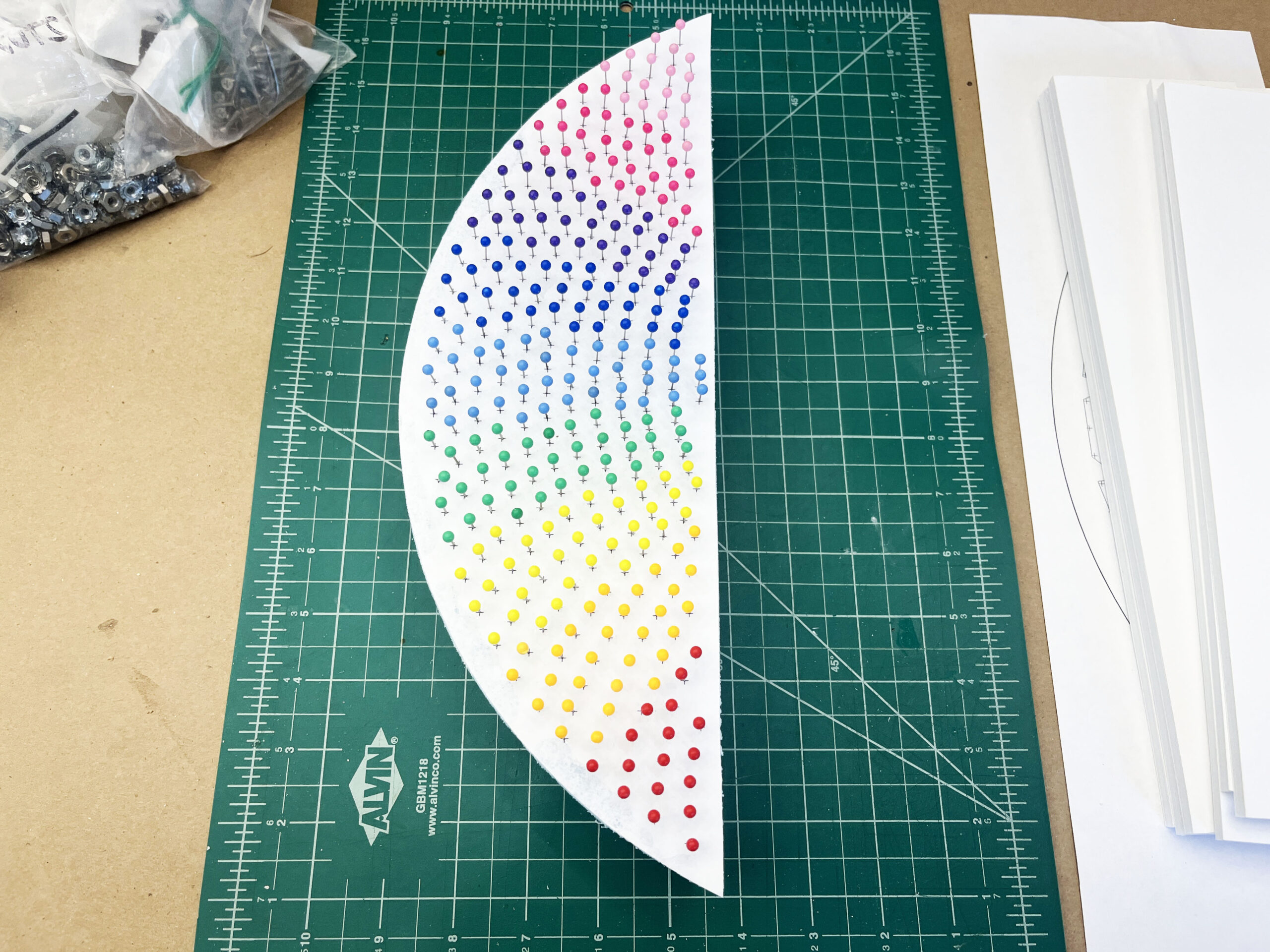
Melting Pot We developed a phyllotaxis pattern based on the Fibonacci sequence to organize the distribution of 528 vertical stems and petals across the sloping surface of the station entrance. The resulting spiral arrangement creates a dynamic field of elements within the concrete cylinder, suggesting a large mixing or “melting pot.” This organization also reflects the diversity of Washington, DC, where people, backgrounds, and ideas continually intersect and mix. The animation above illustrates how the distribution grows from a simple geometric rule into a complex spiral arrangement of individual elements.
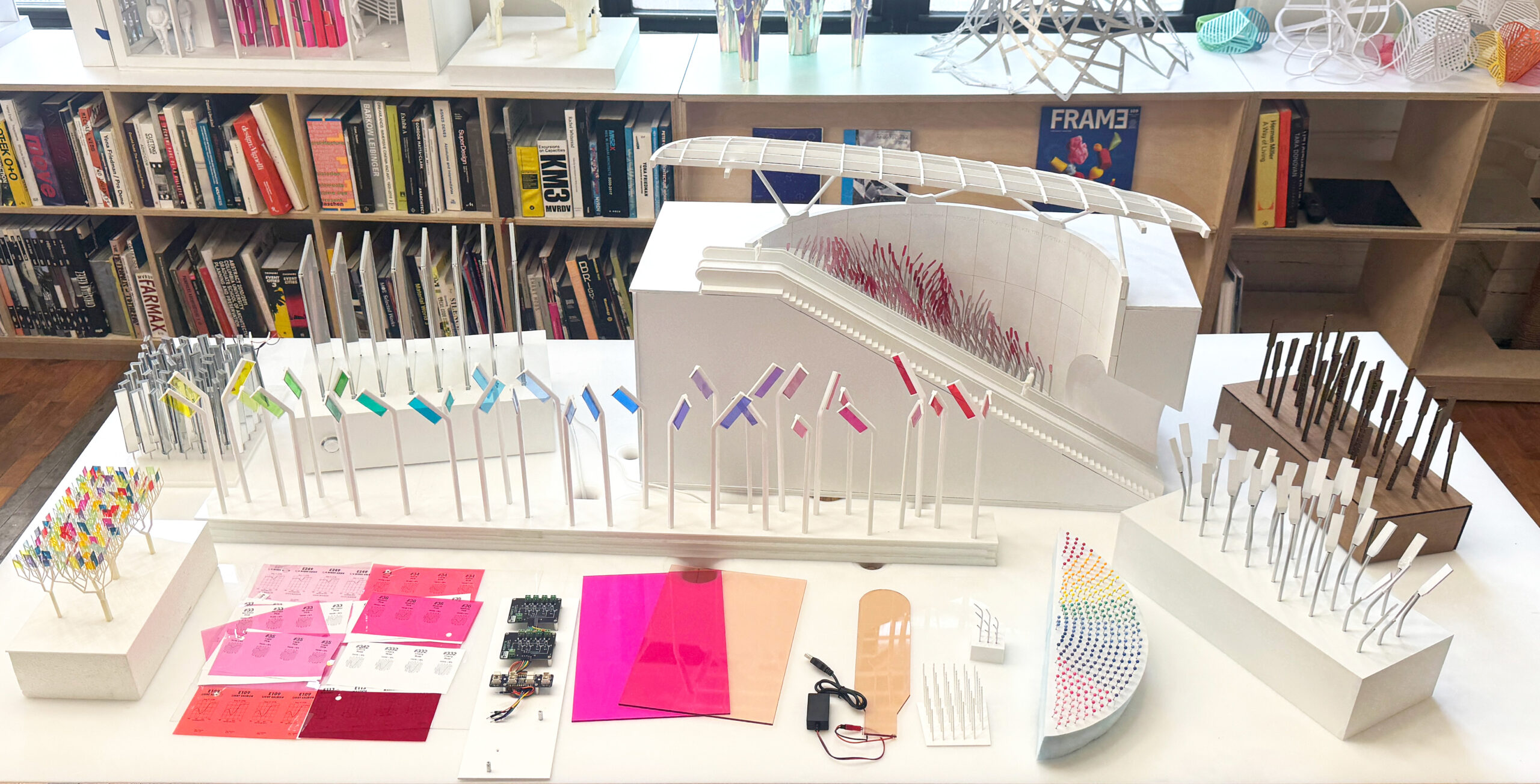
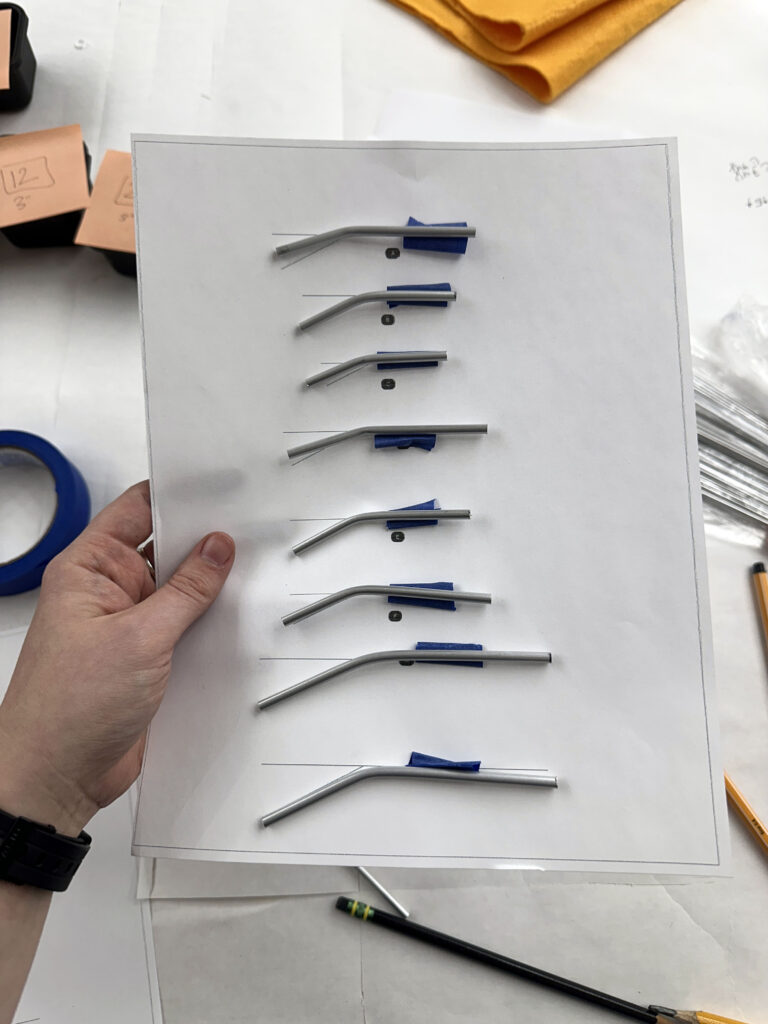
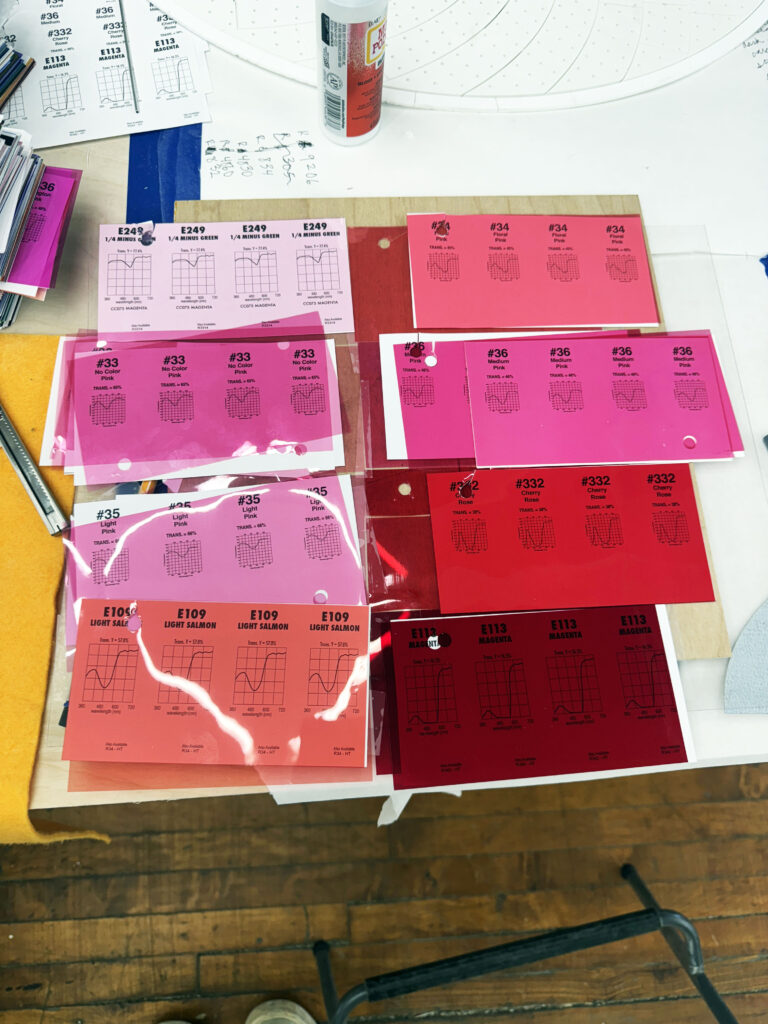
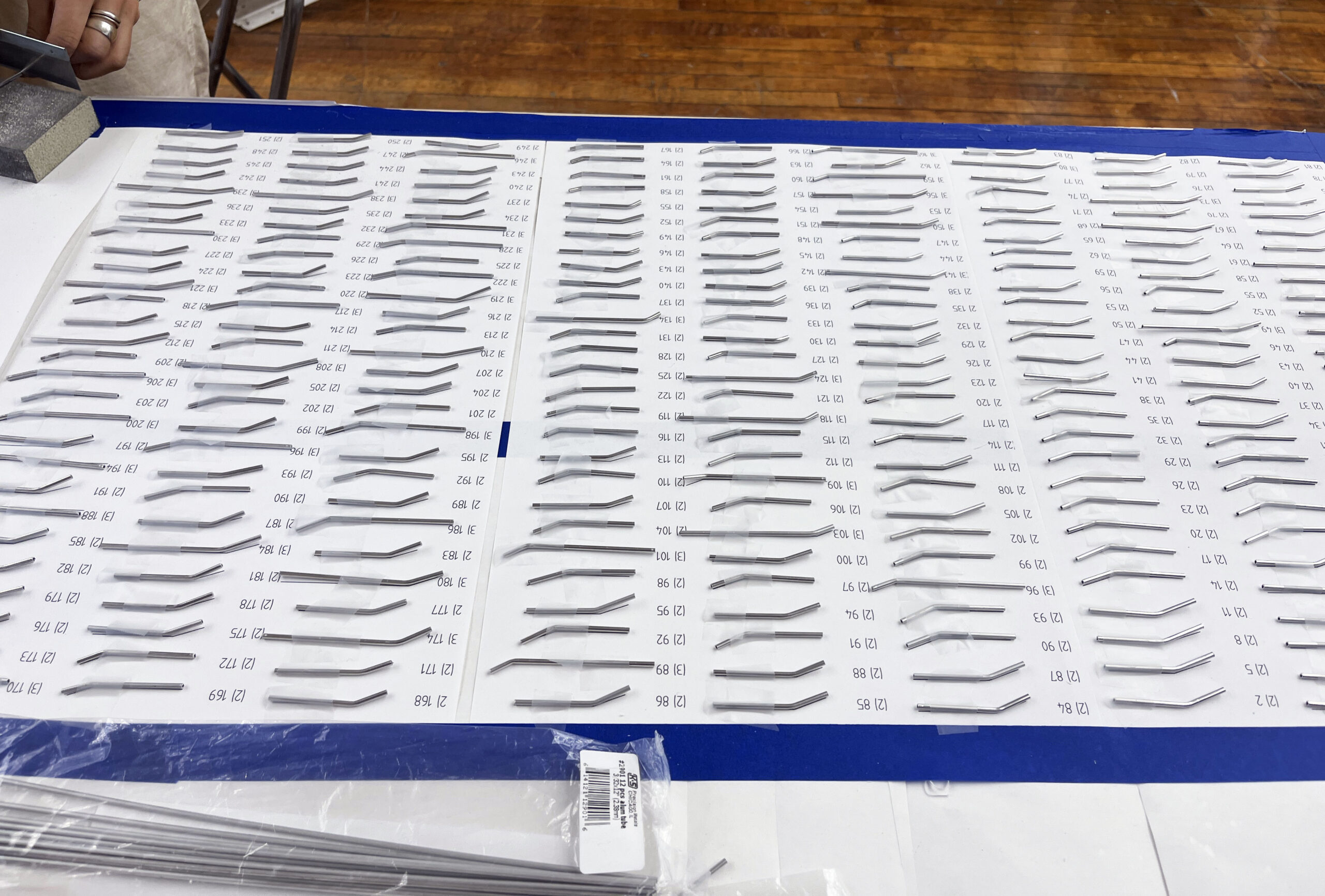
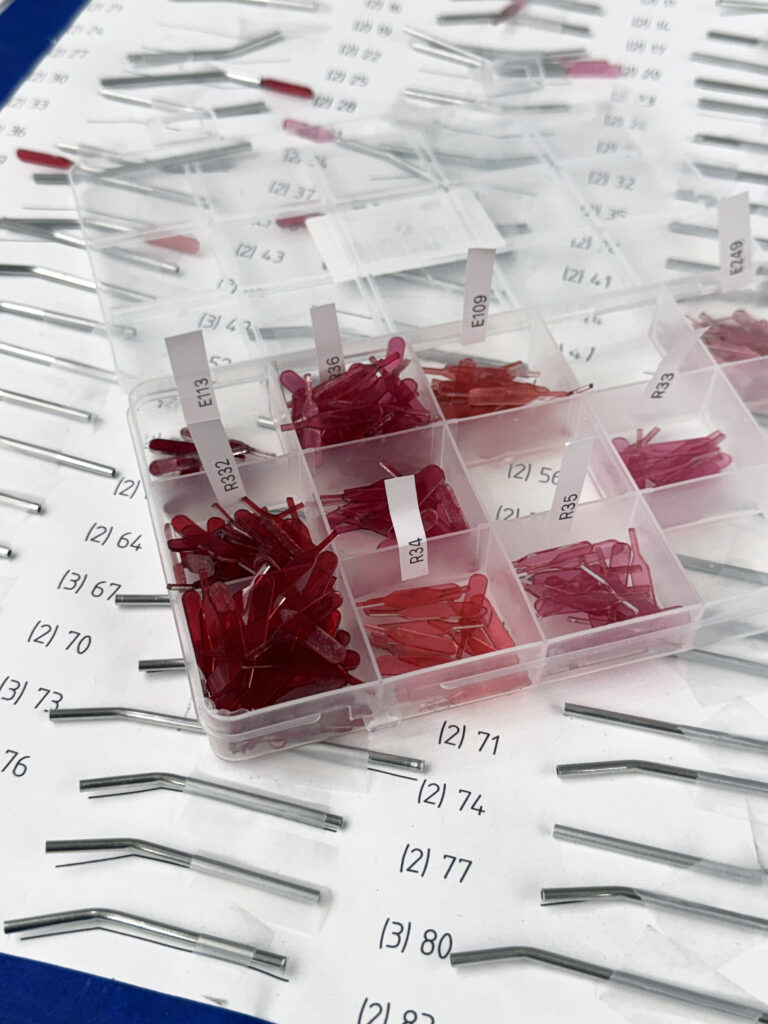
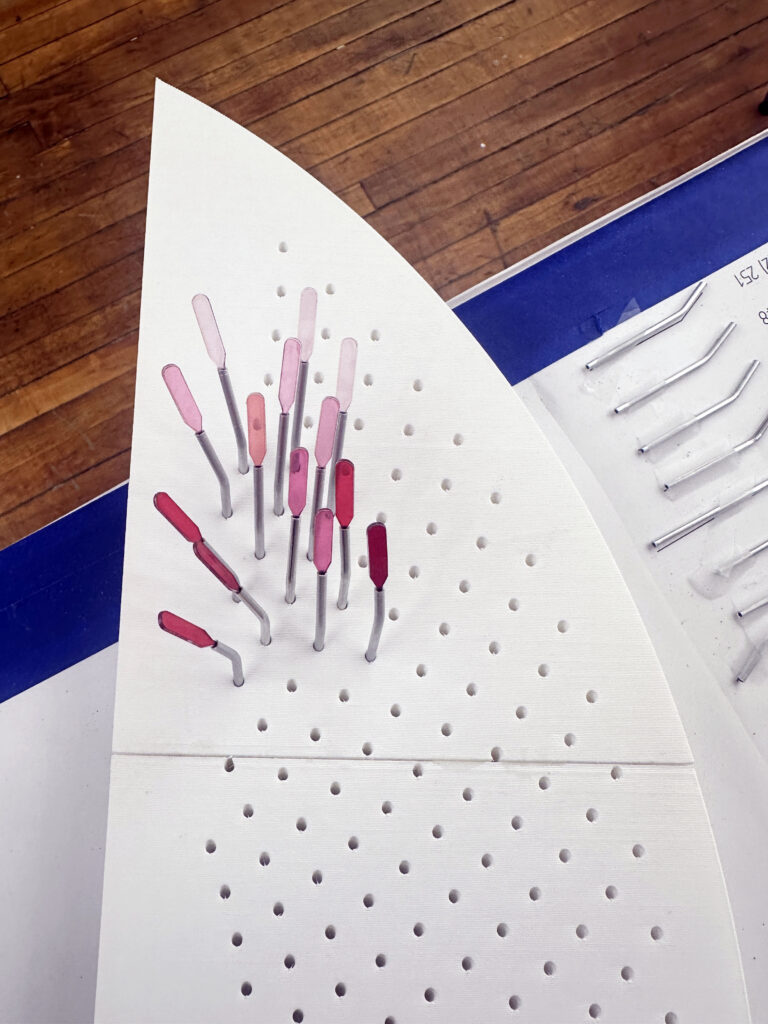
The photographs below document the fabrication and assembly of the physical section model, showing how the color distribution and individual elements come together. While the phyllotaxis pattern determines the placement of the stems, a noise-based pattern controls their individual lengths and bending angles. Together, these systems translate the digital geometry into a physical model that captures the flowing movement of the proposed installation.